


Featured Interviews
Interview
“To reduce inequality, we have to do more in early childhood”
September 2016
Columbia University School;
Jane Waldfogel is Chair Professor in Social Work at the University of Columbia. In this interview, the main author of the book Too Many Children Left Behind proposes solutions for tackling differences in performance between students.
Interview
“No matter what the economy does, art and culture will continue to function”
September 2016
Macquarie University (Australia);
In this interview David Throsby, a specialist in the economics of art and culture, offers a global view of what the concepts of culture and art mean, including their value as well as the relationship that these disciplines have with the economy.
Interview
“The profile of the Spanish cultural consumer is similar to its European counterpart”
September 2016
Víctor Fernández Blanco builds up a diagnosis regarding cultural participation, highlighting the different consumer profiles and the changes that these reflect in their behaviours and routines.
Interview
“Fighting climate change will benefit our health enormously”
October 2016
World Health Organization (WHO);
Atmospheric contamination causes 7 million deaths every year. María Neira, director of the WHO department of Public Health, Environmental and Social Determinants of Health, explains how policies focusing on improving people’s health also benefit the planet.
Interview
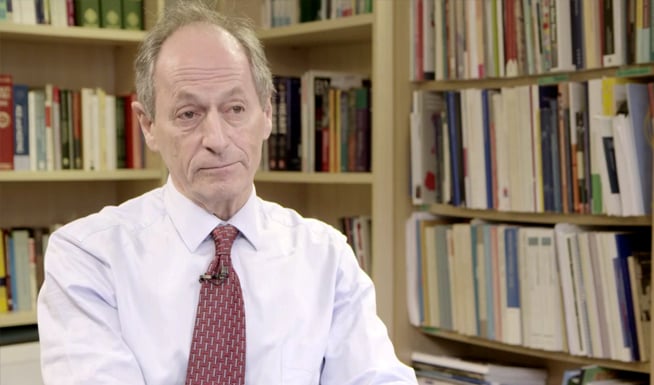
“Fair society, healthy lives”
April 2017
Director of the Institute of Health Equityof of the University College London (UCL);
Michael Marmot, director de Instituto de Equidad y Salud del University College London, explica los mecanismos que vinculan la desigualdad social con una mala salud, así como las políticas que deberían ponerse en marcha para reducirlas.

Interview
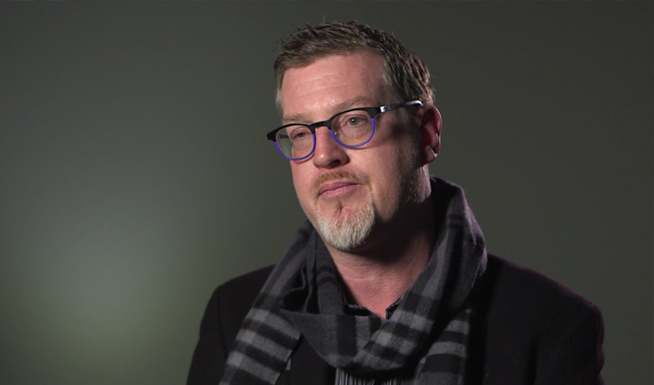
Chemical pollution does not just have an impact on human health; it also has an impact on our econom
April 2017
New York University;
What diseases are caused by the pollutants that we release into the environment? Why do they affect children most? What repercussion do these illnesses have on health and the economy? We interview Leonardo Trasande, professor at New York University and an expert on the subject.
Interview
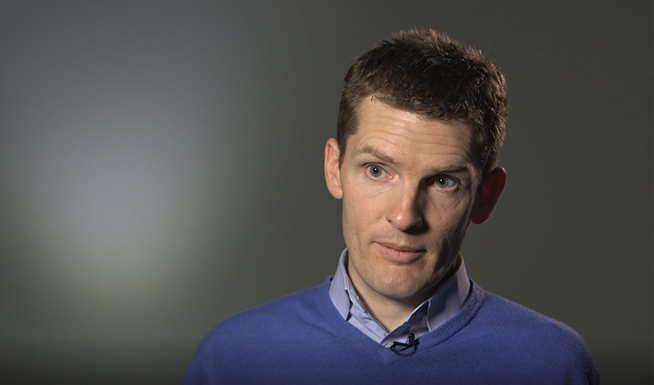
“We have undervalued the importance of personal interrelations in education”
May 2017
Alan Daly, Chair Professor of Education at the University of California, offers in this interview granted to the Social Observatory of "la Caixa” a view of the role of personal relations in the world of education, in which he highlights the concept of social capital.
Interview
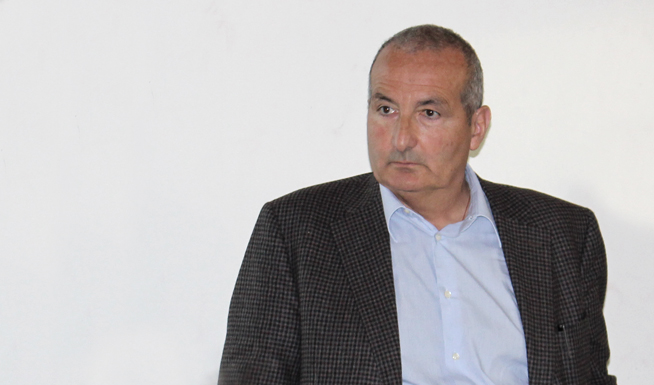
“A science-informed approach specifically refers to understanding how problems develop”
June 2017
The reduction in aid programmes for vulnerable groups has caused an increase in situations of social exclusion in Europe. In this interview, Nick Axford explains to the Social Observatory of "la Caixa” how social protection policies are designed and the factors that intervene in the process.
Interview
«Science was never intended to be in the market, but today it’s a commodity»
June 2017
"What purpose does science serve in current times? Is it for the common good or for the benefit of just a few? Science needs to learn humility and be prepared to admit it when a solution cannot be given.” Andrea Saltelli, researcher at the University of Bergen and at ICTA Barcelona, talks about the current crisis affecting science and its possible solutions.
Interview
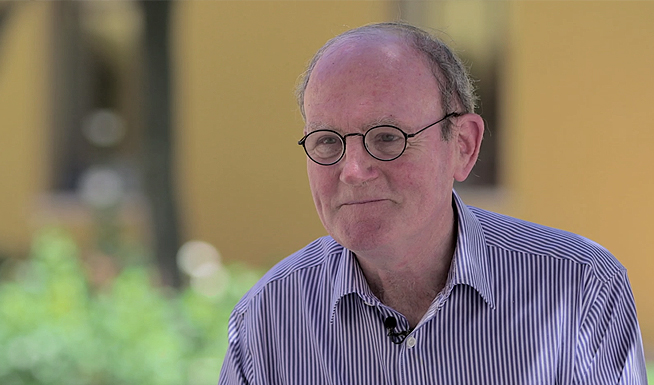
“The most important contribution of the arts is giving identity to a country or region”
June 2017
In this interview, John O’Hagan explains the numerous benefits that the arts bring to society, from their contribution to the formation of a collective identity to their positive impact on the economy.