


Content of science
Article
How to manage public R&D spending in times of budgetary austerity
September 2016
Bruegel Institute;
Public investment in R & D is one of the pillars of knowledge-based economies. How can we ensure that this effort is applied intelligently? What do governments need to know to support the investments with greater social return?

Article
A Snapshot of Energy Poverty
September 2016
Energy poverty is a growing phenomenon since the beginning of the crisis in 2008 and the highest incidence is found in certain socioeconomic groups. What are the consequences of this reality? What structural measures would be needed to tackle this problem?
Article
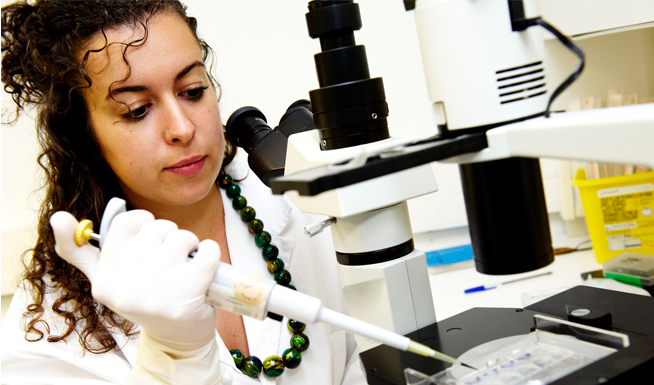
Women hold up half the sky, they deserve half the research
September 2016
League of European Research Universities (LERU);
Increasingly, certain areas of research – such as biomedicine – incorporate the sex and gender dimension into their projects. However, despite its relevance, this question continues to be a pending assignment in the majority of cases.
Article
Climate Change and Human Rights
September 2016
Wake Forest University (United States);
John Knox, United Nations Special Rapporteur on human rights and the environment, explains how climate change is endangering the right to life, health, water, food, housing, development and self-determination.
Interview
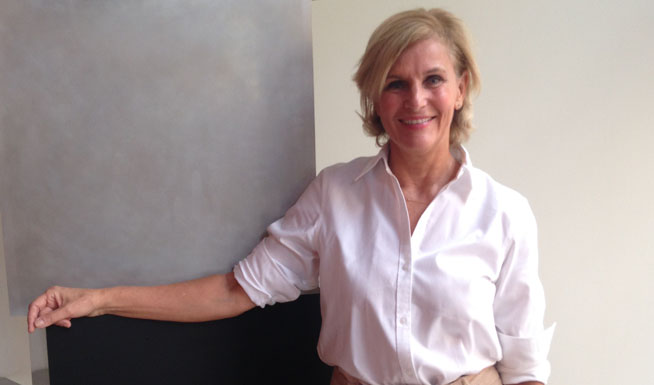
“Fighting climate change will benefit our health enormously”
October 2016
World Health Organization (WHO);
Atmospheric contamination causes 7 million deaths every year. María Neira, director of the WHO department of Public Health, Environmental and Social Determinants of Health, explains how policies focusing on improving people’s health also benefit the planet.
Article
Is research responding to health needs?
March 2017
How can we ensure that biomedical research is aligned with social needs? This article from the Social Observatory of “la Caixa” analyses how resources could be assigned efficiently.

Interview
Chemical pollution does not just have an impact on human health; it also has an impact on our econom
April 2017
New York University;
What diseases are caused by the pollutants that we release into the environment? Why do they affect children most? What repercussion do these illnesses have on health and the economy? We interview Leonardo Trasande, professor at New York University and an expert on the subject.
Review
Science and the future
May 2017
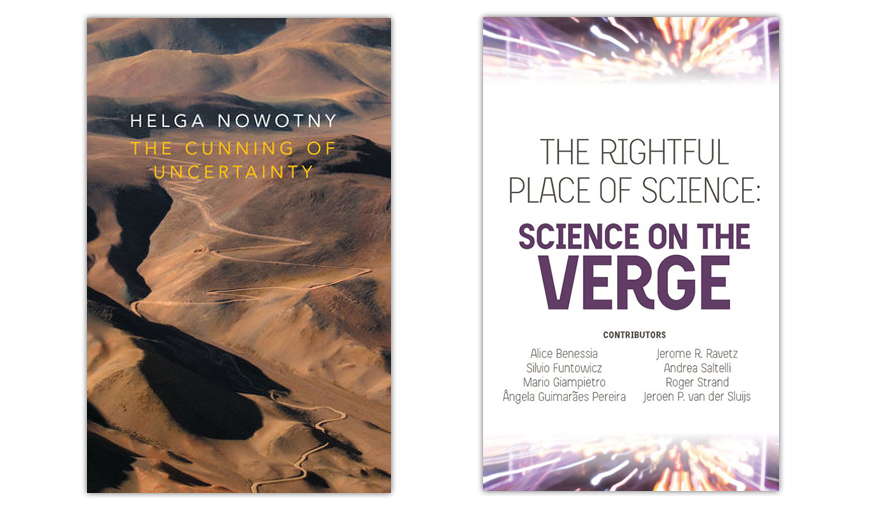
How can we tackle living with uncertainty? We analyse two books that provide a critical view and a philosophical focus to try to help manage our expectations regarding the future and the tools that science offers us to try to predict it.
Review
The psychosociology of climate change
May 2017
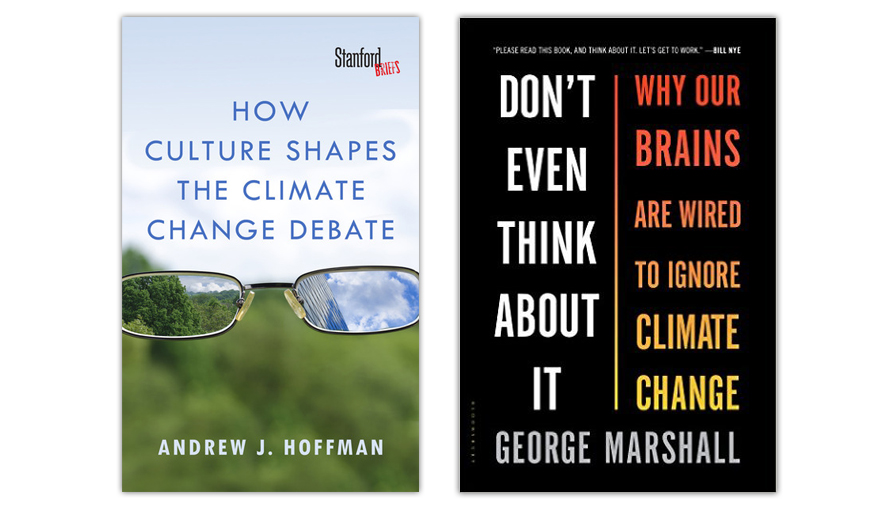
Climate change is a very complex problem, and its possible solutions may not be a matter of true or false, but of better or worse. We review two books that talk about how this debate is ceasing to be a technical and rational question to become a question of values and lifestyles.